Pages

Showing posts with label Snow. Show all posts

Wednesday, March 4, 2015

Paw Prints In The Snow...The Joy Of A Winter Dog Walk

It has been a cold, snowy winter and all of the dogs I walk, love it. When the dogs are excited to walk, even cold weather walks are enjoyable for me although I would much prefer walking on a sandy beach. For the pups, every walk in the snow is an adventure.


I enjoy winter walks the nost when the snow is still falling and everything is white and beautiful. Falling snow confuses some of my furry friends and they will lift their heads to the sky to see where this white stuff is coming from. Others don't even seem to notice and just enjoy their walk as they would any other day.

Once the snow is on the ground, it's a puppy winter wonderland! Some want to lay down and roll around. Others love to dig, or poke their nose deep in the piles as if looking for hidden treasure. None of them mind the cold or the wetness, they just see it as fun.

Their joy makes me smile and will brighten a winter day every time. Best of all, they leave behind one of my favorite things of winter - paw prints in the snow! All different sizes, in different patterns, leaving behind wonderfully cute reminders of the fun that was had.

Then, when the sun comes out, and the snow begins to melt, the  new source of excitement are the uncovered patches of grass that appear. For the dogs it's an opportunity to sniff the upcoming spring. For me it's a symbol of the warmer weather that will soon be here.

Does your dog like to make paw prints in the snow?

Saturday, February 8, 2014

Cold Weather Care For Your Dog

The winter and extreme cold temperatures bring some unique challenges to our pets. Just because our furry friends are...furry, doesn't mean we don't need to protect them from frigid weather conditions. When the temperature drops we need to be aware of signs that they may be suffering the effects of the change in temperature.


Chapped skin: Even with fur, there are parts of your dog's body that can get chapped from the wind and cold. A common area is the top of their nose. A wet nose out in the cold wind will become dry and flaky over time.  Protect your dog's nose with a layer of petroleum jelly when venturing out in cold or daily as a preventative measure.

Cracked Paw Pads: Walking on frozen streets and chemical ice melt can irritate your pup's paw pads and cause soreness and cracking. A thin layer of petroleum jelly before going out in the cold will protect the bottom of your dog's feet. If you notice cracking and bleeding on the pads The American Red Cross recommends washing the affected paw with a saline wash (1 teaspoon of salt to 1 quart of warm water). If severely cracked and bleeding, bandage and consult your veterinarian.

Hypothermia: Limit your dog's outdoor time during extreme cold temperatures.  Extended exposure to frigid conditions could lead to hypothermia. Hypothermia occurs when your dog's body temperature drops to dangerously low levels. Symptoms include: disorientation, uncontrolled shivering, and dilated pupils. If you suspect your dog is suffering from hypothermia take your dog to a warm place, wrap in a warm blanket, and call your veterinarian immediately.

Frostbite: Frostbite is the freezing of body tissue. Especially vulnerable areas on your dog are ears, tail, and paw pads. When temperatures drop below 0 degrees, frostbite can occur in less than 10 minutes. After a period of time outdoors in below freezing temperatures be sure to check your dog's skin for signs of frostbite. Skin that appears blue or pale skin could be affected. If you suspect frostbite, get your dog to a inside area, wrap the affected area in a warm (not hot) compress and call your veterinarian.

Prevention is the best to avoid injury from the cold. When the temperature outside drops to dangerously low levels, limit the time your dog stays outside. Make more frequent short walks to outdoor play times to limit extreme cold exposure. Puppies, short haired, and elderly dogs would benefit from a sweater or jacket. Dog clothing is not only for fashion but can be functional as well.

Monday, February 3, 2014

Snow Day with Furry Friends!

My furry friends and I walk in all types of weather and this winter has been exceptionally challenging. Much more snow this year then we are accustomed to here. Some of my doggie friends love the snow and some, like me, cannot wait for spring.

Despite the weather, the pups must go out so some choose to get dressed and ready for the cold:

Bailey LOVES the snow!


Others look at me as if to say "did we really have to come out here?":


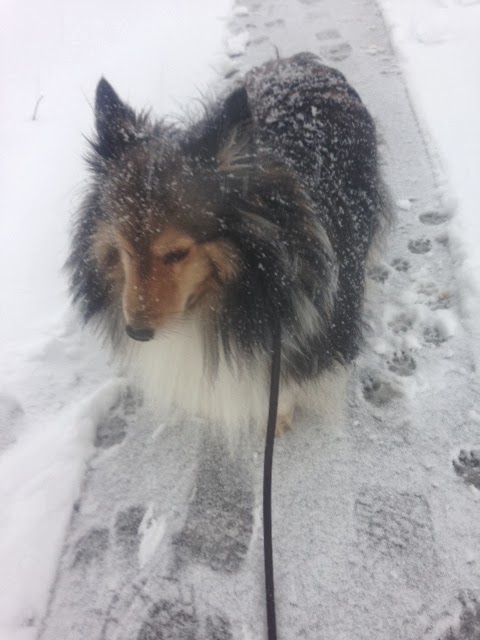
My dog Dallas dislikes the snow so much I need to shovel out spots on the grass so she will "do what she needs to do". While everyone else is shoveling their walks, I'm shoveling grass. The things we do for our furry friends!

What does your dog do when they see the snow?


Saturday, January 25, 2014

What To Do If Your Dog Gets Frostbite

Winter this year in my area has been particularly harsh. We have had many days of single digit temperatures and sub zero wind chills. Conditions like these put your dog at risk for frostbite.


Some snowy days are nice but others can be dangerous
when the temperature drops


Frostbite is the freezing of the tissue of parts of the body. Most susceptible are the extremities, for a dog that would be the ears, tail, and paw pads. When the windchill drops below 0 degrees, frostbite could occur in less than 10 minutes of exposure.

Dogs need to go out to "do what they got to do" even on the coldest days, so when you bundle up make sure your furry friend is protected as well.

How do I help prevent frostbite:

  • Elderly dogs, those with very short or thin fur, and puppies should wear a sweater or jacket.
  • Take short "potty breaks" outdoors in the early morning and nighttime when there is no sun.
  • Schedule longer walks for midday when the temperature is the warmest.
  • Wipe feet if ice and snow accumulate, especially between paw pads.
  • Upon return to indoors, thoroughly dry your pup

How do you know if your dog has frostbite?

The most noticeable sign is discoloration of the skin. If your dog has been outdoors in extreme cold for an extended period of time check the tips of their ears, tail, and feel for pale or blue skin. In advanced stages of frostbite the skin will be black. Since frostbite caused numbness and pain your pup may limp, lick their paws, or rub their ears. 

What to do?

If you suspect frostbite:
  • Take your dog inside where it is warm.
  • Lightly spray the affected area with warm water.
  • Apply warm (not hot) compresses to the area.
  • Take your pup to their veterinarian to check for tissue damage. 

I highly recommend everyone have a first aid manual and kit on hand. The American Red Cross is an excellent resource for information on how to care for an injured pet. 

Wednesday, January 22, 2014

Wordless Wednesday - Blizzard!!


By the look on her face you can tell Dallas does not like the snow! 

What is your pup's favorite season?


BP_Wordless_wed_Hop_Logo_2014