Pages

Showing posts with label Blizzard. Show all posts

Tuesday, February 17, 2015

Keep Yourself Safe While Walking Your Dog - Winter Weather Tips

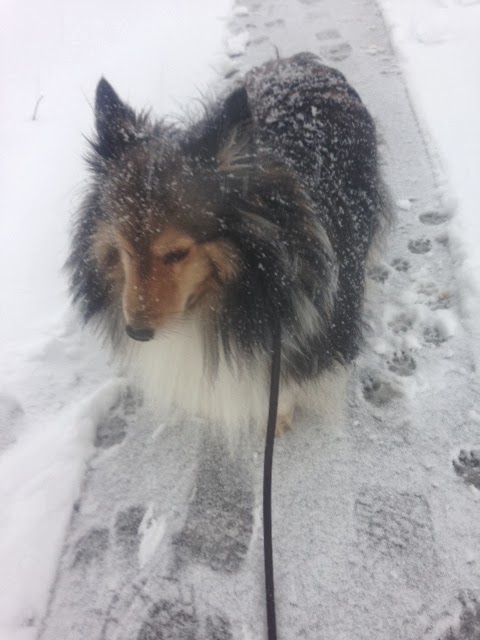
Some dogs are naturally equipped to endure cold winter weather. Many actually thrive in it. My Sheltie, with her thick, double coat, never seems to be cold. Huskies are another breed who loves, and needs, cold temperatures. To make walking these dogs safe and tolerable, we need to protect ourselves from these harsh winter conditions.

Snow...I love the winter!

One of the biggest and most dangerous issues is icy roads and sidewalks. Black ice can easily catch you by surprise and send you tumbling, especially if your furry friend gives an unexpected tug on the leash. When walking, be on the outlook for surfaces that look wet and a little shiny. If the temperature is below 30 degrees wet will most likely mean frozen. Sometimes the road less traveled is the best way to go. Walking on snow covered surfaces can be safer than slick, clean areas.

Be sure to wear cold weather boots with deep treads on the soles to help you grip the road. Keep your
A little snow won't stop my walk!
pup on a short leash holding with 2 hands so you both walk next to each other. Walking in this position will give you more control and stability if you get an unexpected tug.

Wearing proper clothing to keep yourself warm and dry during the walk is a given. However, keeping hands and fingers properly insulated is always a challenge for me. Although I always wear gloves, the cold and wind makes my skin dry and painful. Protect your hands by first covering your skin with a layer of thick lotion - the petroleum jelly type works best - before putting on gloves.

Look at my shadow...I'm really bundled!
In extreme cold, frostbite is always a concern. Be sure to have a warm scarf to cover your mouth and nose and a hat that keeps your ears covered. It's surprising how fast frostbite cans set in in sub zero weather. When the temperatures fall into negative numbers it's best to keep the walks short for the safety of both you and your pup. If daily exercise is a must, take frequent short walks rather than one or two long ones.

For information on keeping your pets safe in harsh winter weather please visit Cold Weather Care For Your Dog and What To Do If Your Dog Gets Frostbite.

Does your dog like to go out even on the coldest winter days? Please share your tips on how you stay warm on your end of the leash!

Saturday, February 8, 2014

Cold Weather Care For Your Dog

The winter and extreme cold temperatures bring some unique challenges to our pets. Just because our furry friends are...furry, doesn't mean we don't need to protect them from frigid weather conditions. When the temperature drops we need to be aware of signs that they may be suffering the effects of the change in temperature.


Chapped skin: Even with fur, there are parts of your dog's body that can get chapped from the wind and cold. A common area is the top of their nose. A wet nose out in the cold wind will become dry and flaky over time.  Protect your dog's nose with a layer of petroleum jelly when venturing out in cold or daily as a preventative measure.

Cracked Paw Pads: Walking on frozen streets and chemical ice melt can irritate your pup's paw pads and cause soreness and cracking. A thin layer of petroleum jelly before going out in the cold will protect the bottom of your dog's feet. If you notice cracking and bleeding on the pads The American Red Cross recommends washing the affected paw with a saline wash (1 teaspoon of salt to 1 quart of warm water). If severely cracked and bleeding, bandage and consult your veterinarian.

Hypothermia: Limit your dog's outdoor time during extreme cold temperatures.  Extended exposure to frigid conditions could lead to hypothermia. Hypothermia occurs when your dog's body temperature drops to dangerously low levels. Symptoms include: disorientation, uncontrolled shivering, and dilated pupils. If you suspect your dog is suffering from hypothermia take your dog to a warm place, wrap in a warm blanket, and call your veterinarian immediately.

Frostbite: Frostbite is the freezing of body tissue. Especially vulnerable areas on your dog are ears, tail, and paw pads. When temperatures drop below 0 degrees, frostbite can occur in less than 10 minutes. After a period of time outdoors in below freezing temperatures be sure to check your dog's skin for signs of frostbite. Skin that appears blue or pale skin could be affected. If you suspect frostbite, get your dog to a inside area, wrap the affected area in a warm (not hot) compress and call your veterinarian.

Prevention is the best to avoid injury from the cold. When the temperature outside drops to dangerously low levels, limit the time your dog stays outside. Make more frequent short walks to outdoor play times to limit extreme cold exposure. Puppies, short haired, and elderly dogs would benefit from a sweater or jacket. Dog clothing is not only for fashion but can be functional as well.

Monday, February 3, 2014

Snow Day with Furry Friends!

My furry friends and I walk in all types of weather and this winter has been exceptionally challenging. Much more snow this year then we are accustomed to here. Some of my doggie friends love the snow and some, like me, cannot wait for spring.

Despite the weather, the pups must go out so some choose to get dressed and ready for the cold:

Bailey LOVES the snow!


Others look at me as if to say "did we really have to come out here?":


My dog Dallas dislikes the snow so much I need to shovel out spots on the grass so she will "do what she needs to do". While everyone else is shoveling their walks, I'm shoveling grass. The things we do for our furry friends!

What does your dog do when they see the snow?


Wednesday, January 22, 2014

Wordless Wednesday - Blizzard!!


By the look on her face you can tell Dallas does not like the snow! 

What is your pup's favorite season?


BP_Wordless_wed_Hop_Logo_2014